<!DOCTYPE html>
Essential AC Maintenance for San Fernando Valley Summers
Body font-family: Arial, Helvetica, sans-serif; line-height: 1.6; color: #222; margin: 0; padding: 0; background: #f7f7f7;
.box max-width: 940px; margin: 24px auto; background: #fff; border: 1px solid #ddd; border-radius: 10px; padding: 24px;
H1, h2, h3 margin-top: 0.8em;.muted color: #666;
.cta background: #0a7f3f; color: #fff; padding: 18px; border-radius: 8px; margin-top: 24px;.cta a color: #fff; text-decoration: underline;
.grid display: grid; grid-template-columns: 1fr; gap: 16px;@media (min-width: 760px) .grid grid-template-columns: 1fr 1fr;
Ul margin: 0.6em 0 1.2em 1.2em;
Essential AC Maintenance for San Fernando Valley Summers
Local focus: Burbank, CA in Los Angeles County, including 91501, 91502, 91504, 91505, 91506, and 91521. Neighborhoods include Magnolia Park, Rancho District, Burbank Hills, Media District, Toluca Lake on the Burbank side, and Downtown Burbank. Landmarks include Warner Bros. Studios, Walt Disney Studios, Nickelodeon Animation Studio, Stough Canyon Nature Center, Woodbury University, and Hollywood Burbank Airport.
What San Fernando Valley heat does to an AC system
The Valley turns brutal by late June. Rooftop condensers in Burbank often see slab temperatures above 130°F by midafternoon. Attics in Magnolia Park or the Rancho District can hit 140 to 160°F. That heat forces compressors to work harder. Head pressure rises. Electrical loads spike. Any small weakness shows up fast. A weak start capacitor fails. A dirty condenser coil locks in heat. An undercharged system ices the evaporator coil and starves airflow. The result is short cycling, warm air at the vents, and high bills.
Real houses and studios in the Media District feel this. A central air conditioner sized for 95°F design days now faces 105 to 112°F heat spikes. Without clean coils, correct refrigerant charge, and strong airflow, systems in Burbank apartments and single family homes fall behind by late afternoon. Bedrooms never pull below 78 to 82°F. Energy use climbs while comfort drops.
Why Burbank buildings need a Valley-specific maintenance plan
Local heat, dust, and long run times change maintenance needs. Burbank’s microclimate has hot, dry afternoons and cooler late nights with some canyon winds near Stough Canyon Nature Center. That swing stresses ductwork seams and any weak electrical connections. Roof units near Hollywood Burbank Airport pick up fine debris and jet soot. Air handlers in older Burbank Hills homes often run with undersized returns and kinked flex duct. A one-size plan misses these local stressors.
A proper Valley plan focuses on four truths. First, condenser coils must breathe in high ambient heat. Second, evaporator coils must stay clean and wet enough for steady latent removal, or rooms feel sticky even if the thermostat reads 74°F. Third, charge must match the manufacturer chart for the actual outdoor temperature and indoor load, not a guess. Fourth, airflow must hit the target range for the equipment type. A variable speed system can mask duct problems until the first heat wave, then the limit hits hard.
Core maintenance tasks that keep Burbank systems cool and efficient
There is a difference between a quick “spray and go” and maintenance that stands up to a 108°F Valley high. The following tasks are central for consistent comfort and low failures during San Fernando Valley summers. The focus here stays practical and measurable.
Deep condenser coil cleaning under high ambient conditions
Dust and lint form an insulating layer on condenser fins. A surface rinse is not enough for Valley grime. Technicians use a fin-safe alkaline cleaner when the coil shows dark matting. They rinse from the inside out to push debris out of the fins, not deeper in. They straighten crushed fins around common impact zones. On Trane and Lennox cabinets, they remove panels as needed to access the full coil face. After cleaning, they verify head pressure under stable load. The goal is lower condensing temperature and stable subcooling per the brand chart.
Evaporator coil inspection and pan treatment
In older Burbank homes, the evaporator coil often hides in a tight closet or over the furnace in the garage. Technicians check the coil face with a borescope if needed. They remove slime and biofilm from the drain pan and treat the line. Musty odors in Toluca Lake condos often trace to a dirty drain and wet insulation. On a frozen coil case, they measure return and supply temperatures and verify charge only after full thaw and airflow fixes.
Refrigerant charge verification by data, not guesswork
Charge matters under Valley load. A few ounces low can push a system into short cycling once the sun hits. A few ounces high kills efficiency. Technicians measure superheat and subcooling against the manufacturer’s table for the exact model. SEER2 outdoor units from Carrier, Goodman, Rheem, York, American Standard, Bryant, or Daikin have different targets. A correct charge shows stable subcooling within the spec band. Technicians also scan for oil stains at flare fittings and Schrader cores that point to slow leaks.
Electrical reliability check under heat stress
Capacitors drift under heat. Contactors pit and weld. Technicians meter start and run capacitors under load and replace anything out of tolerance. They check the blower motor amp draw against the nameplate. They tighten lugs in the disconnect and air handler. A bad neutral or a loose ground near Warner Bros. Studios offices can create nuisance trips and random control faults. Heat magnifies small electrical problems.
Airflow, duct integrity, and filtration
Valley systems need strong airflow. Target is usually 350 to 425 CFM per ton for standard split systems. Variable speed systems adjust but still need unrestricted returns. Technicians check static pressure with a manometer and compare to the blower chart. High static suggests crushed duct, blocked returns, dirty MERV filter, or a restrictive grille. Many Burbank Hills homes have filters jammed behind return grilles that cut airflow. A simple move to a deeper media cabinet with an appropriate MERV rating reduces pressure and traps more dust.
How symptoms map to fixes in Burbank heat
A system tells its story if one looks at the data. Here are common summer symptoms and the technical paths that solve them without guesswork.
Warm air at the vents in the late afternoon usually points to a condenser coil caked with debris or a low charge. A technician would log liquid line temperature, ambient dry bulb, and suction line temperature. If subcooling sits low and head pressure runs high, the coil likely needs a deep clean. If subcooling is low with normal head, charge may be short. They would also check for a stuck expansion valve or a restricted liquid line drier if pressures do not fit the charge picture.
Ice on the evaporator coil often means low airflow or low refrigerant. A clogged MERV filter or a collapsed return section cuts CFM and drives the coil below freezing. The fix starts with airflow. After thaw and filter correction, the tech measures superheat and adjusts charge only if the numbers still call for it. A clean, dry pan and treated drain keep the coil breathing and the home smelling clean.
Short cycling in a Glendale or North Hollywood edge property often links to a failed capacitor or an oversized unit. A tech measures the capacitor value under load and checks thermostat differential and staging. If the system is oversized, they can increase airflow, widen deadband settings, or recommend zoning or a variable speed replacement on the next upgrade cycle.
Strange odors can come from biological growth on the evaporator or in the drain. Vinegar or mild disinfectant flushes help, but the root is standing water and dust. UV air purifiers can hold growth down at the coil surface. Regular maintenance keeps the source under control.
Equipment types that perform well in the Valley
Central air conditioners are still the standard across Burbank. Many light commercial suites near the Media District run package units. Townhomes and ADUs see more ductless mini-split systems. Heat pumps have gained ground as gas rates rise and incentives expand. Brands like Lennox, Carrier, Trane, Goodman, Rheem, York, American Standard, Bryant, Daikin, and Mitsubishi Electric all have Valley-ready lines. The strongest performers in extreme heat share three traits. They use variable speed compressors or at least two stages. They pair with smart thermostats and strong airflow control. They meet or beat SEER2 minimums and hold that efficiency in 105°F ambient conditions.
In Burbank’s dry heat, variable speed systems shine. They modulate capacity. They hold a steadier coil temperature for better humidity control on the rare muggy days that roll in from marine layers. Mitsubishi ductless systems perform well in garages and studios. Daikin and Lennox variable speed systems offer quiet operation and strong comfort in bedrooms that face west. Correct sizing matters as much as brand. A 20 percent oversize causes short cycles and uneven rooms in Magnolia Park cottages. A tight Manual J load calc guides the choice.
Technical targets a technician should document
Good maintenance is measurable. After a tune-up, the client should see stable numbers recorded. Supply air temperature drop across the coil should land in the 16 to 22°F range under steady indoor humidity and normal load. Total external static pressure should stay within the blower rating, often below 0.5 in w.c. For many residential air handlers. Superheat and subcooling should sit within the published range for the model and line set length. Voltage drop across contactors should be minimal. Motor amp draw should not exceed the nameplate by any margin. The drain should show a steady drip under cooling load. These numbers prove the work and protect the equipment during the next heat wave.
Indoor air quality and filtration in dusty Valley homes
Dust moves through Burbank streets daily, especially near construction and high traffic around Downtown Burbank and Hollywood Burbank Airport. A good filter strategy reduces coil fouling and keeps blower wheels clean. A MERV 8 to MERV 11 pleated filter is a fair balance in most homes with standard ductwork. MERV 13 filters capture finer particles but raise static pressure if the cabinet is shallow. Many Burbank retrofit projects gain more from a deeper 4 to 5 inch media filter than a higher MERV number in a one inch slot. UV air purifiers and bipolar ionization can help in specific cases, but coil cleanliness and source control come first.
Thermostats and controls that handle Valley swings
Smart thermostats help smooth out late day spikes that roll through the Burbank Hills. Setbacks should be modest. Pulling a home from 82°F to 74°F at 5 pm often fails. A better plan is a light pre-cool in the late morning and steady holds through the peak. Thermostat integration with variable speed equipment makes this easier. Staging rules should match actual load. Overshoots waste energy and reduce comfort. Simple changes like a wider deadband reduce short cycling on a two stage unit in the Rancho District.
What a real Burbank tune-up looks like
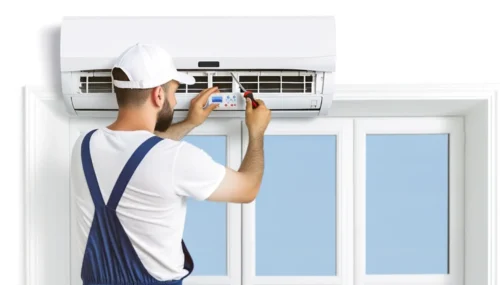
This is the practical sequence Green Planet Heating and Air follows on a summer prep visit for a single stage split system in a 91505 home. They start with a quick system interview to learn about hot rooms, odors, and noise. They check filter size and fit. They pull and clean the condenser top and coil. They test capacitors and contactors. They verify refrigerant charge by superheat and subcooling after the coil and airflow checks. They measure total external static and compare to the blower chart. They clean the evaporator drain and treat the pan. They confirm temperature split, inspect duct connections, and log model and serial numbers. They label the disconnect and leave clear notes with readings. This service prevents the common 4 pm breakdown on the first 100°F day.
Case notes from the Media District and Magnolia Park
A Media District post house with a 10 ton package unit near Warner Bros. Studios struggled to hold 74°F by midafternoon. Head pressure ran high. Subcooling drifted low. The condenser coil looked clean, but the inner face was packed with debris. After panel removal and deep cleaning, head pressure dropped by over 50 psi and capacity returned without adding refrigerant. This single task restored comfort and avoided a costly compressor changeout.
In Magnolia Park, a two story home had one hot bedroom facing west. The system was a 3.5 ton central air conditioner with a standard blower. Static pressure was 0.9 in w.c. With a one inch MERV 13 filter in a shallow return grille. The blower ran over nameplate amps each afternoon. A move to a 4 inch media cabinet with a MERV 11 filter reduced static by 0.25 in w.c. The room cooled by an extra 3°F during peak hours. Energy use dipped and blower noise fell.
Repair triggers that should prompt a same-day visit
Some issues can wait a day. Some cannot. If vents blow warm air while the outdoor fan runs, shut the system down and call for service. A failed start capacitor or a locked compressor draws high amps and can damage wiring if it sits. If ice forms on the indoor coil or suction line, shut off cooling and run the fan to thaw. If water drips from the attic, turn off the system and call. Valley heat turns a small leak or an iced coil into major damage fast. Green Planet offers 24/7 emergency AC service for these cases in Burbank and close neighbors like Glendale, Toluca Lake, North Hollywood, Sun Valley, and Pasadena.
Repair parts and what their failure looks like
A faulty capacitor shows up as a humming outdoor unit that will not start, or it starts and stops within seconds. A technician tests microfarads under load and replaces it with the correct rating. A bad blower motor causes low airflow and a weak temperature split. The evaporator may ice as a result. A dirty or failing expansion valve can cause hunting superheat and frost at the distributor. A weak compressor runs hot and noisy. Head pressure may climb while suction falls, and the unit never catches up on a 100°F day. An obstructed condenser coil raises head pressure and cuts capacity. These parts tell similar stories, so accurate measurements and brand knowledge guide the fix.
Energy and SEER2 efficiency in the Valley context
SEER2 ratings matter, but field conditions decide real savings. A rated 16 SEER2 system that breathes through a high static duct may act like a 12. A proper install in Burbank includes a load calc, duct verification, and airflow setup. Variable speed and hybrid heating systems improve comfort and efficiency when set up right. A Daikin, Lennox, or Mitsubishi variable speed system paired with a smart thermostat and a clean duct path can shave summer bills by 10 to 25 percent compared to older single stage gear. Payback depends on run hours, utility rates, and installation quality.
Heat pumps and hybrid systems for Burbank homes
Heat pumps run strong in mild Burbank winters and shine in summer cooling. Hybrid systems use a heat pump for most heating and stage in a gas furnace only when it makes sense. This approach pairs well with the Valley climate and can lower annual energy costs. In summer, the same outdoor unit cools with high efficiency. Proper thermostat integration and lockout settings keep the system simple to live with.
Ductless mini-splits in studios, ADUs, and additions
Ductless mini-splits from Mitsubishi Electric or Daikin fit well in converted garages and media rooms. They cool fast and target specific zones. They avoid the static pressure problems that appear in long, undersized duct runs. A wall mount head serves a smaller space. A ceiling cassette or ducted mini air handler serves larger rooms with a clean look. These systems hold comfort on hot Valley afternoons without pulling down the rest of the house.
Local service logistics that cut downtime
Green Planet Heating and Air dispatches across Burbank with fast access to 91505 and 91506 during peak heat. Proximity to Hollywood Burbank Airport allows rapid parts pickup for common items such as capacitors, contactors, and universal blower motors. Crews know traffic patterns around Magnolia Park and Downtown Burbank and schedule arrivals to avoid rush gridlock. That local rhythm matters when a system fails at 4 pm on a 104°F day.
Brand coverage and warranty protection
Green Planet services Carrier, Lennox, Trane, Goodman, Rheem, York, American Standard, Bryant, Daikin, and Mitsubishi Electric. The team maintains factory warranty rules that require documented maintenance and EPA 608 compliant refrigerant handling. Work aligns with Energy Star practices. This protects coverage and keeps performance in line with SEER2 expectations.
Credentials and safety
Technicians carry NATE certifications and EPA 608 credentials. The company operates under active California State License Board requirements and stays insured. Safety checks include proper disconnect labeling, tight electrical connections, and confirmation of clear gas venting when a furnace shares the air handler. Refrigerant work follows EPA guidelines. This is standard practice on every call.
Seasonal timing that works in the Valley
The best window for a maintenance visit is late spring before the first hot spell. A second check in late summer helps heavy-use homes near the Burbank Hills and the Media District. Allergy-prone homes benefit from filter changes every two to three months during high dust periods. Studio spaces with long run hours need closer attention to coils and drains. Proactive scheduling avoids the July backlog that hits every contractor in Los Angeles County when the first heat dome parks over the Basin.
Simple homeowner habits that extend system life
Leave supply vents open and clear. Close vents raise static and strain the blower. Keep a two foot clear zone around outdoor condensers to allow airflow. Trim hedges near walls in Toluca Lake and Rancho District yards. Replace or wash filters on schedule. Learn the thermostat schedule and avoid deep setbacks that force long recoveries at 5 pm. These small steps reduce failures and even out comfort.
Service coverage and response promise
Green Planet serves every corner of Burbank, CA with an emphasis on fast summer response. The service area includes the Burbank Hills, Magnolia Park, the Rancho District, Downtown Burbank, the Media District, and the Toluca Lake side within Burbank. Nearby support extends to Glendale, North Hollywood, Sun Valley, and Pasadena. The company understands mixed-use buildings near Warner Bros. Studios, Walt Disney Studios, and Nickelodeon Animation Studio, and the specific cooling loads they carry.
Why Green Planet Heating and Air fits the Valley
The company builds for the San Fernando Valley first. The focus stays on proven field fixes. Coil cleaning that moves the needle. Charge verification by numbers, not feel. Duct checks that solve hot rooms. Smart thermostat settings that reflect daily Valley heat swings. The team works on central air conditioners, heat pumps, ductless mini-splits, and hybrid systems. Services include air conditioning repair, HVAC installation, furnace maintenance, heat pump services, ductless mini-split systems, thermostat integration, and indoor air quality testing. This aligns with what Burbank homes and businesses need every summer.
Two quick references for Burbank readers
Zip codes served
- 91501, 91502, 91504, 91505, 91506, 91521
Seasonal tune-up hits
- Deep clean the condenser coil and check subcooling
- Measure static pressure and verify airflow
- Test capacitors, contactors, and motor amps
- Clear and treat the condensate drain
- Document temperature split, superheat, and model data
Map Pack signals for Burbank searches
Clients find Green Planet by searching air conditioning service Burbank or HVAC Burbank during heat waves. Strong signals include consistent city references, accurate categories for HVAC contractors, and real service photos from Magnolia Park, the Media District, Rancho District, and Downtown Burbank. Check-ins near landmarks like Stough Canyon Nature Center and Hollywood Burbank Airport reflect local work patterns. Verified hours and fast review responses improve visibility when emergency calls surge.
What to request during your next service
Ask the technician to record superheat, subcooling, and static pressure. Ask for before and after coil photos if your condenser sits near a busy street. Request a filter upgrade path that keeps static low. If your home has uneven rooms, ask for a duct and return assessment instead of a thermostat tweak. If your AC is 12 years or older, ask about SEER2 options that make sense for your home and budget, including variable speed systems from Daikin, Lennox, or Mitsubishi Electric. Keep the discussion local and specific. A Burbank-friendly plan beats a generic checklist.
For property managers and studio spaces
Media-sector buildings in Burbank run cooling late into the night. Conference rooms and small screening areas pile up internal loads. Package units need coil service and electrical checks that match long duty cycles. Smart controls with lockouts prevent staff from setting extreme temps that cause short cycling. Zoned solutions and ductless heads in hot corners reduce complaints and lower after-hours dispatches. Green Planet supports both scheduled maintenance and urgent repair windows to match production calendars.
Eco-friendly and energy-focused options
Green Planet emphasizes eco-friendly HVAC solutions. That means EPA 608 compliant refrigerant handling, Energy Star equipment options, and practical airflow improvements that save watts every hour the system runs. A well-sealed duct system and a right-sized, variable speed outdoor unit lower both emissions and bills. UV air purifiers at the coil can cut biological growth and reduce cleanings in dusty environments, which helps equipment longevity.
Signs your system is due for replacement
Frequent capacitor and contactor failures can signal hard starts and motor wear. A pitted heat exchanger on a shared furnace warrants attention. R-22 legacy systems cost more to repair and charge. Very high static pressure that cannot be corrected without major duct work may call for a different system type. Noise complaints that persist after cleaning and tuning point to aging compressors or blower assemblies. A planned changeout avoids the July scramble and often lands better pricing and scheduling.
Clear service positioning for Burbank residents
Green Planet Heating and Air provides maintenance, repair, and installation across Burbank. The company handles central air conditioners, heat pumps, ductless mini-splits, hybrid heating systems, smart thermostats, UV air purifiers, and whole-house fans where they make sense. Technicians diagnose refrigerant leaks, frozen evaporator coils, faulty capacitors, clogged air filters, uneven cooling, short cycling, and unusual HVAC noises that drive high energy bills. Precision repairs include compressor testing, condenser coil cleaning, blower motor assessment, expansion valve checks, heat exchanger inspection, air handler work, ductwork sealing, and proper MERV filter strategy with SEER2 compliance on new installs.
Burbank Seasonal Tune-Up Special
Ask about the Burbank Seasonal Tune-Up Special. It prepares a system for the first hot week. It includes a full cooling performance check, coil cleaning as needed, electrical testing, drain service, and a written report with superheat, subcooling, static pressure, and temperature split. This special helps homes in 91505 and 91506 that see long afternoon sun and heavy run hours. It is the ideal service before a July heat surge.
Ready for reliable air conditioning service in Burbank?
Green Planet Heating and Air is local to Burbank, CA, and responds fast across Magnolia Park, Rancho District, Burbank Hills, the Media District, Toluca Lake within Burbank, and Downtown Burbank. The team is NATE-certified, EPA 608 compliant, licensed and insured, and familiar with Carrier, Lennox, Trane, Goodman, Rheem, York, American Standard, Bryant, Daikin, and Mitsubishi Electric. Service covers maintenance, repair, and installation for central systems, heat pumps, and ductless mini-splits with SEER2 compliant options.
Call to schedule a diagnostic or a Burbank Seasonal Tune-Up Special. Ask for same-day service if your system blows warm air, short cycles in the afternoon, or shows ice on the evaporator coil. Mention air conditioning service Burbank for priority local dispatch. Need help after hours? 24/7 emergency AC service is available across Los Angeles County’s 915 zip codes.
Book your AC service in Burbank now and secure a confirmed time before the next heat wave.
Neighboring coverage: Glendale, North Hollywood, Sun Valley, Pasadena, and Toluca Lake. Green Planet Heating and Air aligns work practices with Energy Star recommendations and California standards. All refrigerant handling follows EPA rules.
Green Planet Heating and Air
| Monday | Open 24 hours |
| Tuesday | Open 24 hours |
| Wednesday | Open 24 hours |
| Thursday | Open 24 hours |
| Friday | Open 24 hours |
| Saturday | Closed |
| Sunday | Open 24 hours |